Showing posts with label film. Show all posts

Wednesday, December 31, 2014

2014: a year in film.

top US theatrical (narrative) film releases that I saw in 2014

Stranger by the Lake [L'inconnu du lac] (Alain Guiraudie, 2013 | France | Strand Releasing)


Under the Skin (Jonathan Glazer, 2013 | UK/USA/Switzerland | A24)


Inherent Vice (Paul Thomas Anderson | USA | Warner Bros.)


Goodbye to Language 3D [Adieu au langage] (Jean-Luc Godard | Switzerland/France | Kino Lorber)


Frank (Lenny Abrahamson | UK/Ireland/USA | Magnolia Pictures)


A Field in England (Ben Wheatley, 2013 | UK | Drafthouse Films)


Obvious Child (Gillian Robespierre | USA | A24)


Force Majeure [Turist] (Ruben Östlund | Sweden/France/Norway | Magnolia Pictures)


Nightcrawler (Dan Gilroy | USA | Open Road Films)


Gloria (Sebastián Lelio, 2013 | Chile/Spain | Roadside Attractions)


top US theatrical (documentary) film releases that I saw in 2014

Jodorowsky's Dune (Frank Pavich, 2013 | USA/France | Sony Pictures Classics)


Nas: Time Is Illmatic (One9 | USA | Tribeca Film)


Björk: Biophilia Live (Nick Fenton & Peter Strickland | UK | Cinema Purgatorio)


Keep On Keepin' On (Alan Hicks | USA | RADiUS-TWC)


Best Director

Alain Guiraudie, Stranger by the Lake
Jonathan Glazer, Under the Skin*
Paul Thomas Anderson, Inherent Vice
Ben Wheatley, A Field in England
Jean-Luc Godard, Goodbye to Language 3D

Best Actor in a Leading Role

Jake Gyllenhaal, Nightcrawler*
Pierre Deladonchamps, Stranger by the Lake
Michael Fassbender, Frank
Bill Hader, The Skeleton Twins
Johannes Kuhnke, Force Majeure

HMs: Joaquin Phoenix, Inherent Vice
Mark Duplass, The One I Love

Best Actress in a Leading Role

Scarlett Johansson, Under the Skin*
Paulina García, Gloria*
Jenny Slate, Obvious Child*
Charlotte Gainsbourg, Nymphomaniac
Essie Davis, The Babadook

HM: Kristen Wiig, The Skeleton Twins

Best Actor in a Supporting Role

Josh Brolin, Inherent Vice
Martin Short, Inherent Vice
Patrick d'Assumçao, Stranger by the Lake
Riz Ahmed, Nightcrawler
Ethan Hawke, Boyhood

HM: Scoot McNairy, Frank

Best Actress in a Supporting Role

Laura Dern, Wild
Patricia Arquette, Boyhood
Katherine Waterston, Inherent Vice
Joanna Newsom, Inherent Vice
Tilda Swinton, Snowpiercer

Best Writing - Adapted Screenplay

Paul Thomas Anderson, Inherent Vice
Walter Campbell & Jonathan Glazer, Under the Skin
Jon Ronson & Peter Straughan, Frank
Amy Jump, A Field in England
Gillian Robespierre, Obvious Child

Best Writing - Original Screenplay

Alain Guiraudie, Stranger by the Lake
Nick Hornby, Wild
Bong Joon-ho & Kelly Masterson, Snowpiercer
Lukas Moodysson, We Are the Best!
Nick Damici & Jim Mickle, Cold in July

Best Cinematography

Claire Mathon, Stranger by the Lake
Daniel Landin, Under the Skin
Robert Elswit, Inherent Vice
Fabrice Aragno, Goodbye to Language 3D
Laurie Rose, A Field in England

Best Original Score

Mica Levi, Under the Skin*
Jonny Greenwood, Inherent Vice
Jim Williams, A Field in England
Stephen Rennicks, Frank
Kurt Stenzel, Jodorowsky's Dune

HM: James Newton Howard, Nightcrawler

Tuesday, December 31, 2013

2013: a year in film.

top US theatrical (narrative) film releases that I saw in 2013

Her (Spike Jonze | USA | Warner Bros.)


Berberian Sound Studio (Peter Strickland, 2012 | UK | IFC Midnight)


Museum Hours (Jem Cohen, 2012 | Austria/USA | The Cinema Guild)


Upstream Color (Shane Carruth; USA | erbp)


A Touch of Sin (Jia Zhangke; China | Kino Lorber)


Before Midnight (Richard Linklater | USA | Sony Pictures Home Entertainment)


Post Tenebras Lux (Carlos Reygadas, 2012 | Mexico/France/Netherlands/Germany | Strand Releasing)


Spring Breakers (Harmony Korine, 2012 | USA | Lionsgate Home Entertainment)


Bastards [Les salauds] (Claire Denis | France/Germany | Sundance Selects)


The Past [Le passé] (Asghar Farhadi | France/Italy | Sony Pictures Classics)


HMs: Nebraska (Alexander Payne | USA | Paramount Vantage)


Computer Chess (Andrew Bujalski | USA | Kino Lorber)


Blue Is the Warmest Color [La vie d'Adèle – Chapitres 1 & 2] (Abdellatif Kechiche | France/Belgium/Spain | Sundance Selects)


Fruitvale Station (Ryan Coogler | USA | Anchor Bay Entertainment)


The Bling Ring (Sofia Coppola | USA/UK/France/Germany/Japan | A24)


top US theatrical (documentary) film releases that I saw in 2013

Stories We Tell (Sarah Polley, 2012 | Canada | Roadside Attractions)


Cutie and the Boxer (Zachary Heinzerling | USA | RADiUS-TWC)


American Promise (Joe Brewster and Michele Stephenson | USA | P.O.V.)


The Act of Killing (Joshua Oppenheimer, Christine Cynn, and Anonymous, 2012 | Denmark/Norway/UK/Finland | Drafthouse Films)


Best Director

Spike Jonze, Her
Claire Denis, Bastards
Jia Zhangke, A Touch of Sin
Shane Carruth, Upstream Color
Harmony Korine, Spring Breakers

HMs: Carlos Reygadas, Post Tenebras Lux
Asghar Farhadi, The Past

Best Actor in a Leading Role

Joaquin Phoenix, Her*
Bruce Dern, Nebraska
Chiwetal Ejiofor, 12 Years a Slave
Michael B. Jordan, Fruitvale Station
Vincent London, Bastards

HMs: Robert Redford, All Is Lost
Leonardo DiCaprio, The Wolf of Wall Street
Ethan Hawke, Before Midnight
Brady Corbet, Simon Killer
Toby Jones, Berberian Sound Studio

Best Actress in a Leading Role

Adèle Exarchopoulos, Blue Is the Warmest Color*
Amy Seimetz, Upstream Color*
Cate Blanchett, Blue Jasmin
Bérénice Bejo, The Past
Judi Dench, Philomena

HM: Julie Delpy, Before Midnight
Greta Gerwig, Frances Ha

Best Actor in a Supporting Role


Wu Jiang, A Touch of Sin
James Franco, Spring Breakers
Ali Mosaffa, The Past
Dane DeHaan, Kill Your Darlings
James Gandolfini, Enough Said

HM: Will Forte, Nebraska
Michel Subor, Bastards

Best Actress in a Supporting Role

June Squibb, Nebraska*
Lupita Nyong'o, 12 Years a Slave*
Pauline Burlet, The Past
Zhao Tao, A Touch of Sin
Amy Adams, Her

HM: Chiara Mastroianni, Bastards

Best Writing - Adapted Screenplay

Abdellatif Kechiche and Ghalia Lacroix, Blue Is the Warmest Color
Sofia Coppola, The Bling Ring
John Ridley, 12 Years a Slave
Steve Coogan and Jeff Pope, Philomena
Terence Winter, The Wolf of Wall Street

Best Writing - Original Screenplay

Spike Jonze, Her
Shane Carruth, Upstream Color
Richard Linklater, Julie Delpy, and Ethan Hawke, Before Midnight
Asghar Farhadi, The Past
Jia Zhangke, A Touch of Sin

Best Cinematography

Hoyte Van Hoytema, Her
Nicholas D. Knowland, Berberian Sound Studio
Jem Cohen and Peter Roehsler, Museum Hours
Shane Carruth, Upstream Color
Emmanuel Lubezki, Gravity
Alexis Zabe, Post Tenebras Lux
Benoît Debie, Spring Breakers
Agnès Godard, Bastards
Phedon Papamichael, Nebraska
Christopher Blauvelt and Harris Savides, The Bling Ring
Roger A. Deakins, Prisoners
Philippe Le Sourd, The Grandmaster

Best Original Score

Tindersticks, Bastards
Shane Carruth, Upstream Color
Broadcast, Berberian Sound Studio
Arcade Fire and Owen Pallett, Her
Mark Orton, Nebraska

HMs: Cliff Martinez and Skrillex, Spring Breakers
Alexander Ebert, All Is Lost
Daniel Lopatin and Brian Reitzell, The Bling Ring
Graham Reynolds, Before Midnight
Giong Lim, A Touch of Sin

Tuesday, February 28, 2012

A Year in Film: 2011.

01, a. The Tree of Life (Terrence Malick; USA)

01, b. The Turin Horse (Béla Tarr; Hungary | France | Germany | Switzerland | USA)

02. Almayer's Folly (Chantal Akerman; Belgium | France)

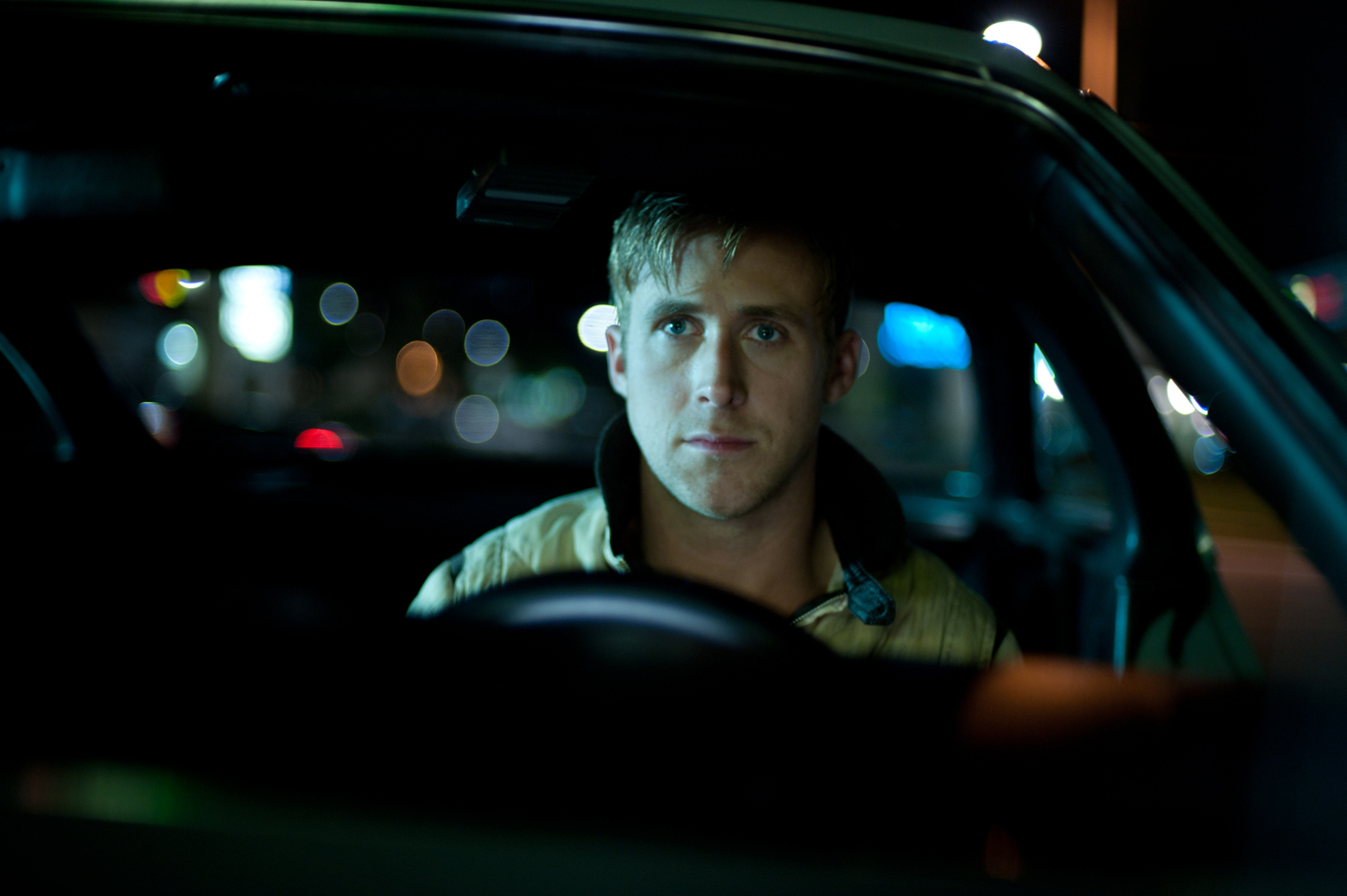
03. Drive (Nicolas Winding Refn; USA)

04. A Separation (Asghar Farhadi; Iran)

05. The Skin I Live In (Pedro Almodóvar; Spain)

06. The Descendants (Alexander Payne; USA)

07. Take Shelter (Jeff Nichols; USA)

08. Tinker Tailor Soldier Spy (Tomas Alfredson; France |UK | Germany)

09. Beginners (Mike Mills; USA)

10. Sleeping Beauty (Julia Leigh; Australia)

Best Director

Terrence Malick, The Tree of Life
Béla Tarr, The Turin Horse
Nicolas Winding Refn, Drive *
Mike Mills, Beginners
Jeff Nichols, Take Shelter

Best Actor in a Leading Role

Ryan Gosling, Drive
Ewan McGregor, Beginners
Michael Shannon, Take Shelter *
George Clooney, The Descendants
Gary Oldman, Tinker Tailor Soldier Spy

Best Actress in a Leading Role

Adepero Oduye, Pariah *
Emily Browning, Sleeping Beauty
Leila Hatami, A Separation
Aurora Marion, Almayer's Folly
Rooney Mara, The Girl With the Dragon Tattoo

Best Actor in a Supporting Role

Albert Brooks, Drive
Stellan Skarsgård, The Girl With the Dragon Tattoo
Benedict Cumberbatch, Tinker Tailor Soldier Spy
Christopher Plummer, Beginners *
Jan Cornet, The Skin I Live In

Best Actress in a Supporting Role

Jessica Chastain, The Tree of Life *
Jessica Chastain, Take Shelter
Mélanie Laurent, Beginners
Melissa McCarthy, Bridesmaids
Shailene Woodley, The Descendants

Best Writing - Adapted Screenplay

The Descendants, Alexander Payne and Nat Faxon & Jim Rash
Hugo, John Logan
Tinker Tailor Soldier Spy, Bridget O'Connor & Peter Straughan *
Carnage, Yasmina Reza & Roman Polanski
Almayer's Folly, Chantal Akerman

Best Writing - Original Screenplay

Drive, Hossein Amini
Midnight in Paris, Woody Allen
Beginners, Mike Mills *
Take Shelter, Jeff Nichols
A Separation, Asghar Farhadi

Best Cinematography

The Tree of Life, Emmanuel Lebezki *
The Girl With the Dragon Tattoo, Jeff Cronenweth
The Turin Horse, Fred Kelemen
Hugo, Robert Richardson
Tinker Tailor Soldier Spy, Hoyte Van Hoytema

Best Original Score (tie)

The Tree of Life, Alexandre Desplat *
Tinker Tailor Soldier Spy, Alberto Iglesias
The Girl With the Dragon Tattoo, Trent Reznor and Atticus Ross *
Take Shelter, David Wingo
Hugo, Howard Shore

Friday, November 11, 2011

Abject Bodies and Gender Instability in Alfred Hitchcock's Psycho (1960)

There’s Something Queer At Work Here

Abject Bodies and Gender Instability in Alfred Hitchcock's Psycho (1960)

We Need to Talk About Norman


The way performance functions in Alfred Hitchcock's Psycho reflects a deep, abiding preoccupation with gender roles and the truth economy that is generated therein. The oscillation between masculine and feminine, and the instability of gender is depicted in the construction of characters that do no satisfy ideal, conventional roles regarding sex and gender, but rather expose a profoundly unsettling inconsistency in respect to bodies, both abject and normalized. The gender role reversal in Psycho is blindingly obvious, particularly in the scene where Lila goes to explore the house and find Mrs. Bates, while Sam acts as a decoy to distract Norman. This scene and the following one, in which it is revealed that Norman has been preserving the skeleton of his mother and dressing up in her clothes, stress the transience of gender, and how it is not always in sync with biological sex. Sam's aggressive homosocial taunting of Norman in this sequence, and Lila's exploration of the house, leading up to the discovery of the skeleton and Norman's performance as his mother, all hint towards an inherent gender instability within the characters of the film and a masculine/feminine malaise that is developed throughout the course of the film.


Before Lila begins to look for Mrs. Bates and Sam distracts Norman, they search through cabin one for any clues. They find a slip of paper Marion wrote on regarding the stolen money (just numbers and equation signs) that missed the toilet when she flushed the rest down. Lila becomes desperate to search the house and speak to Mrs. Bates, and Sam fulfills the typical role of male protector by saying, “I don’t like you going into that house alone.” This dialogue is in line with the heterosexist ideology of the time, and an ideology that Sam’s character clearly held true. He sounds resigned when he says that he’ll find Bates and keep him occupied.


It is important to note that Sam’s gender performance, like everyone’s inside the world of the film (and outside, according to feminist and queer theorist Judith Butler), is a failure. He cannot provide for Marion in the way that she wants and needs him to (as evident from the first scene); ironically, right after Norman watches the swamp swallow the car with Marion’s body in it, Sam is seen writing a letter to Marion professing that he doesn’t care if they are poor, cramped, or miserable – at least they’ll be happy (and alive). This could be why he overcompensates when in pursuit of the truth about what really happened to her, and this overcompensation comes on particularly strong throughout the scene in which he keeps Norman occupied. His hypermasculinity in this scene is almost to be expected, especially with someone as weak as Norman.


However, Sam’s hypermasculinity does not surface until after they enter the office. Norman is already suspicious of the couple, and Sam is clearly nervous, at first (before entering the office), to be diverting Norman’s attention. He knows that he is a potentially dangerous person, although he is not yet sure in what way. The sexual tension between the two is immediately felt in Norman’s body language. His confidence (both in body and speech) when he asks, “You looking for me?” slowly begins to dissipate shortly thereafter. His body then enters a visible state of unrest, and Sam’s teasing line, “I never can keep quiet enough for her, so I thought I’d look you up and talk”, with all its erotic undertones, hints towards a fluctuation between homosocial and homoerotic interaction – that also begins to dissipate after those few seconds.


Sam then begins to try to bully the truth out of Norman, which, although it does not work (in regard to what he wants to hear – about the money and Marion), puts him in a progressively more distressed state over the duration of their conversation. It seems that Hitchcock implies that when Sam says “Buy a new one, in a new town, where you won’t have to hide your mother,” when talking about the hotel and the money, that Norman is actually thinking about himself and his gender identity. Hitchcock is also suggesting the possibility of Norman thinking Sam is aware of his secret, which makes him noticeably tense up – his jaw muscle begins to contract faster, and his speech begins to tremble.


In the office scene, the frame is split perfectly in two. Sam inhabits one side (the left – customer), Norman the other (the right – owner): one proper body, one abject; one (normalized) heterosexual identity, one (shamed) queer; one searching for what he will not find, and one hiding something everyone is looking for – but also the opposite, something no one expected to find. Lila exploring the house while Sam distracts Norman also could be looked at as a gender role reversal – why is it Lila exploring the house while Sam distracts Norman? Shouldn’t they use Lila’s female sexuality to keep Norman’s attention while Sam (born explorer, essence of man) searches the house? Or were they already unsure about Norman’s sexuality? They certainly were not given any clues to his gender trouble at that point.


The revelation of Norman as Mrs. Bates is a different kind of performance when looked at against those outlined by Judith Butler. Butler offers drag as the ultimate portrayal of gender instability. However, almost always, drag offers some sort of comedic edge (whether it be inherent in the participants/the performance or reactionary from the audience) and her syllogism that if one understands drag as a portrayal of gender instability, then they must believe gender to be socially constructed, is reductive and unrealistic. With Psycho, Alfred Hitchcock offers his character's gender trouble in a less deductive and more effective/affective way: Norman is not a sideshow, a circus act for the people from within the film or the audience to laugh at (up until the end, when a feeling of camp arises). Hitchcock is not setting it up so that once the audience witnesses the wig falling off Norman's head in the big reveal that they will instantly be convinced of gender's contingent foundations. Hitchcock is, however, offering a deeply troubling ambiguity that confounds the characters within the film, and finds the audience feeling a deep unease in regards to what they have just seen. It's the slippage between masculine and feminine, the undeclared sexuality of Norman that is emphasized by Hitchcock and felt by the audience; it is that uncertainty which functions as the crux of the film and is the key to its understanding. With drag, you only get the performance. With Psycho, you get more: the visage of the boy next door and the spirit underneath the skin of Norman Bates – the creation of a monster a little too human for our liking.